
Blog
Otoklavlar Otoklavlar olarak da bilinen, deneylerde sıklıkla kullanılan önemli ekipmanlardır. Yüksek sıcaklık ve yüksek basınca sahip özel ekipmanlar olduğundan hatalı kullanım ciddi güvenlik kazalarına neden olabilir. Bu makale otoklavın çalışma prensibini ve fonksiyonlarını, güvenlik tehlikelerini ve standartlaştırılmış kullanım yöntemlerini kapsamlı bir şekilde tanıtmaktadır.
Otoklav esas olarak kapatılabilir bir namlu gövdesi, basınç göstergesi, egzoz valfi, emniyet valfi ve ısıtma telinden oluşur. Kaynayan sudan daha yüksek bir sıcaklığa ulaşmak için basınçlı doymuş buhar kullanır. Yüksek sıcaklıkta buhar, deney için steril koşullar sağlamak üzere kültür ortamı, metal aletler ve filtre kalıntısı camı gibi yüksek sıcaklığa dayanıklı öğeler üzerindeki mikroorganizmaları ortadan kaldırmak ve öldürmek için kullanılır.
Günlük deneylerde, otoklavın sterilizasyon koşulları genellikle sıcaklığın 121,3°C'ye ulaşması, basıncın 0,1MPa'da (103,4kPa veya 1,05kg/cm²) tutulması ve sürenin 15 ila 30 dakika süreyle muhafaza edilmesi şeklindedir. Bu koşullar sporlar dahil tüm mikroorganizmaların öldürülmesini sağlar. Hızlı ve etkili bir sterilizasyon yöntemidir ve laboratuvarda en sık kullanılan sterilizasyon yöntemlerinden biridir.
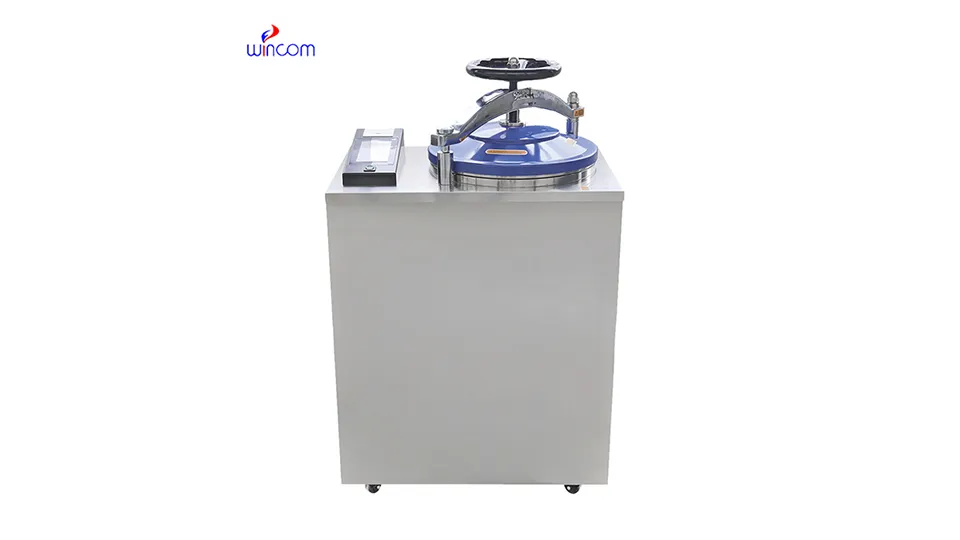
Şu anda piyasadaki otoklavlar kabaca yarı otomatik ve tam otomatik olmak üzere iki türe ayrılmaktadır. Yarı otomatik otoklav, programlanabilir kontrol sisteminin ve basınç tahliye sisteminin manuel olarak çalıştırılmasını gerektirir; bu da, ayarlamaların zamanında yapılabilmesi için tüm sterilizasyon sürecinin manuel olarak izlenmesini gerektirir. Tam otomatik otoklav, tüm sterilizasyon sürecini otomatik olarak tamamlayabilir. Yalnızca işleme modunu ayarlamanız gerekir ve işlem nispeten basittir.
Ekipman muayenesi: Özel ekipman kullanılırken sterilizasyon kabının muayeneyi geçip geçmediğine, emniyet valfinin doğrulama geçerlilik süresi içerisinde olup olmadığına, manometrenin muayeneyi geçip geçmediğine dikkat edilmelidir.
Su seviyesini kontrol edin: Kullanmadan önce harici su ısıtıcısının su seviye hattını kontrol edin. Sterilizasyon işlemi sırasında aşırı ısınan su ve buharın taşarak tehlike oluşturmasını önlemek için en yüksek çizgi ile en alt çizgi arasında daha aşağıda tutulması tavsiye edilir. Kullanmadan önce, uygun miktarda sterilizasyon suyu enjekte edin (su enjeksiyon miktarı, farklı sterilizasyon kabı modellerinin gereksinimlerine göre seçilmelidir), sterilizasyon kabında biriken kireci önlemek için RO suyu veya tek damıtılmış su kullanılacaktır.
Tencereye yükleme hazırlığı: Sterilize edilecek eşyaları sepete koyun, sepet hacminin üçte ikisini geçmemesine dikkat edin ve buhar nüfuzunu kolaylaştırmak için bulaşıkların arasında belirli bir boşluk bırakın.
Sıvı sterilizasyon hazırlığı: Sıvı, ısıya dayanıklı sert bir cam şişeye doldurulmalı, hacmi dörtte üçü geçmemeli ve patlamayı önlemek için şişenin içindeki ve dışındaki basınç dengesini sağlayacak şekilde şişe kapağı gevşetilmelidir.
Yüksek basınçlı tencere kapağını kapatın ve kilitleyin: Tencere kapağına hafifçe bastırın, kolu kilitli konuma çekin ve sterilizasyon kabının mühürlü ve kapalı olduğundan emin olun.
Programı seçin ve parametreleri ayarlayın: Sterilizatörlerin farklı ihtiyaçlarına göre ilgili programı seçin.
Sterilizasyonu başlatın: BAŞLAT düğmesine basın, çalışma gösterge ışığı yanarak sterilizasyon işleminin başladığını gösterecek ve kontrol paneli kalan sterilizasyon süresini gösterecektir. Kullanım sırasında veya tenceredeki basınç ve sıcaklık çok yüksek olduğunda kapağı açmayın. İşletmedeki anormal sorunlar için acil önlemler zamanında alınacak ve raporlanacaktır.
Sterilizasyon tamamlandıktan sonra makine otomatik olarak bir uyarı sesi verecektir. Yüksek sıcaklıktaki buhar yanıklarını önlemek için sterilizasyon kabının kapağı yalnızca sterilizasyon kabındaki basınç 0 olduğunda ve sıcaklık güvenli sıcaklıktan (80°C) düşük olduğunda açılabilir.
Günün sterilizasyon işini tamamladıktan sonra, güç anahtarını kapatın ve sterilizasyon odasındaki suyu boşaltın.
Tam otomatik hazırlık çalışması önlemleriyle aynıdır.
Yüksek basınç kapağını kapatın ve kilitleyin: Yüksek basınç kapağının sapını iki elinizle tutun ve saat yönünde sıkın.
Egzoz valfini kapatın: EGZOZ kolunu durana kadar saat yönünde çevirin ve güvenliği sağlamak için daha da sıkın.
Parametrelerin ayarlanması: Gerekli sterilizasyon sıcaklığını ve sterilizasyon süresini manuel olarak ayarlayın. Basınç ve sıcaklık arasındaki ilişkiyi doğru şekilde anlayın ve sterilizatörün çalışması sırasında basınç ve sıcaklığın sabitliğine dikkat edin.
Sterilizasyon prosedürünü başlatın: Ekipmanın normal çalışmasını sağlamak ve anormallikleri zamanında gidermek için tüm sterilizasyon sürecinin manuel olarak izlenmesi gerekir. Sterilizasyondan önce ön ısıtma yapın ve soğuk havayı çıkarın. Aşırı ısınmayı önlemek için sterilizasyon sırasında sıcaklığı doymuş buhar basıncı altında gözlemlemeye dikkat edin.
Sterilizasyon tamamlandıktan sonra, yüksek sıcaklıkta buhar yanıklarını önlemek için sterilizasyon kabının kapağı ancak sterilizasyon kabı içindeki basınç 0 olduğunda ve sıcaklık güvenli sıcaklıktan (80°C) düşük olduğunda açılabilir.
Söndürme ve basınç düşürme işlemlerine ihtiyaç duyulursa, gazın yavaş ve istikrarlı bir şekilde salınmasını sağlamak ve vananın bir defada maksimum konuma açılmasını önlemek için hava alma vanası küçükten büyüğe doğru kademeli olarak açılmalıdır. Aynı zamanda sterilizasyon işlemi bittikten hemen sonra buharın çıkamayacağını da unutmamak gerekir. Kalan gazı güvenli bir şekilde boşaltmadan önce manometrenin ibresinin güvenli bir alana dönmesini beklemelisiniz.
Günün sterilizasyon işini tamamladıktan sonra, güç anahtarını kapatın ve sterilizasyon odasındaki suyu boşaltın.
E-posta: [email protected]
Tel: +86-731-84176622
+86-731-84136655
Adres: Rm.1507, Xinsancheng Plaza. No.58, Renmin Yolu(E),Changsha,Hunan,Çin


 EN
EN
 af
af
 es
es
 ar
ar
 tr
tr
 sw
sw
 pt
pt
 th
th
 ur
ur
 bn
bn
 ne
ne
 vi
vi
 km
km
 lo
lo
 de
de
 ru
ru
 fi
fi
 nl
nl
 fa
fa
 fr
fr
 ko
ko


