Tıbbi görüntülemenin geniş alanında özel bir konumuz var: dört ana görüntüleme alanındaki olağanüstü isimleri anmak. Şimdi odak noktamız tıbbi ultrason. Başlangıcından bu yana, bu alan teşhis alanında çok önemli bir konuma sahip olmuştur. X-ışını (CT), manyetik rezonans ve nükleer tıpla birlikte ultrason, dört ana tıbbi görüntüleme alanı arasında henüz Nobel Ödülü'nü kazanmamış olan tek bilimdir.
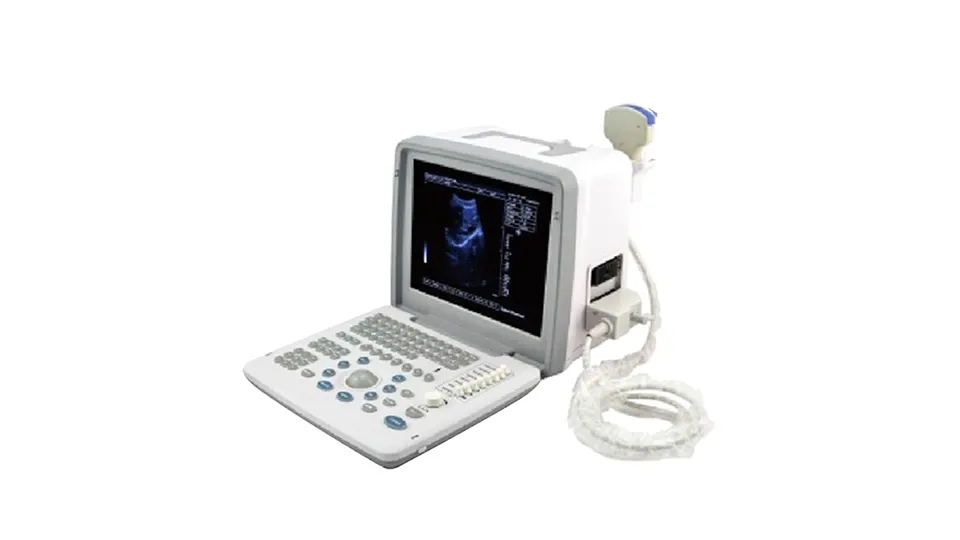
Bu olağanüstü teknoloji olan ultrason görüntüleme, sürekli bir ortamda ultrason dalgalarının benzersiz yayılma özelliklerine dayanır. Tıbbi ultrasonu sıklıkla siyah beyaz ultrason ve renkli ultrason olarak sınıflandırmamıza rağmen, aslında renkli ultrason görüntüleri çoğunlukla siyah beyaz olarak sunulur. Siyah-beyaz ultrason esas olarak doku yapılarını ortaya çıkarır ve doku görüntülemenin tipik bir örneğidir; Renkli ultrason daha da ileri giderek Doppler etkisi sayesinde organ veya lezyonlardaki kan akışı perfüzyon değişikliklerini görüntüleyebiliyor ve böylece fonksiyonel görüntülemede çığır açabiliyor.
Doppler etkisinin keşfi ve tıbbi ultrason ve diğer alanlardaki uygulamaları, özellikle renkli ultrasondaki önemi. Avusturya'nın güzel şehri Salzburg, yalnızca müzik dehası Mozart'ı doğurmakla kalmamış, aynı zamanda büyük fizikçi Doppler'i de yetiştirmiştir. 1942 yılında Doppler, "Çift Yıldızların Renkli Işığı Üzerine" adlı makalesinde önemli bir keşif önerdi: Dalga kaynağı ile gözlemci arasında bağıl hareket olduğunda, gözlemcinin aldığı dalganın frekansı, dalga kaynağının yaydığı frekansla aynı değildir. Bu olaya Doppler etkisi adı verildi. Bu keşif sadece fizik alanında devrim yaratmakla kalmadı, aynı zamanda tıp, trafik izleme ve astronomi gibi çeşitli alanlarda da derin bir etki yarattı.
Ultrason teknolojisinin temeli olan ultrason probu, teorik temeli ve yüzyıllık gelişiminin tıp üzerindeki etkisi. Dönüştürücü olarak da bilinen ultrason probu, ultrason teknolojisinin temel bir bileşenidir. Elektrik sinyallerini ultrason sinyallerine ve elektrik sinyallerini ultrason sinyallerine dönüştürme yeteneğine sahiptir, bu da onu ultrason teşhis sürecinin vazgeçilmez bir parçası haline getirir. Yaklaşık bir asırlık gelişim ve evrimin ardından, ultrason problarının teknolojisi giderek olgunlaştı.
Dijital ultrason teknolojisinin ve renkli ultrason ekipmanlarının gelişimi, ultrason tanısının doğruluğunu ve klinik uygulamasını nasıl geliştiriyor? 1983 yılında Siemens de dikkate değer başarılara imza attı. Geliştirdiği ACUSON ultrason ekipmanı, yalnızca performans açısından rakiplerinden daha iyi performans göstermekle kalmadı, aynı zamanda bilgisayar tarafından oluşturulan ultrason görüntüleri oluşturma konusunda devrim niteliğindeki işlevine de öncülük etti. Yazılım optimizasyonu sayesinde bu ekipman, iki boyutlu görüntüleri gerçek zamanlı olarak büyütebilir ve net bir şekilde görüntüleyebilir, böylece modern ultrason teknolojisinin gelişimi için sağlam bir temel oluşturabilir.
Çeşitli 2D, 3D ve 4D ultrason teknolojilerinin özellikleri ve klinik uygulama değeri. Tıbbi görüntüleme alanında 2D, 3D ve 4D ultrason teknolojileri üç önemli görüntüleme yöntemidir. Her birinin benzersiz özellikleri ve uygulama kapsamı vardır ve doktorlara çeşitli teşhis araçları sağlar. Daha sonra, bu üç teknolojinin benzerliklerini ve farklılıklarını inceleyeceğiz. Öncelikle 2D ultrason teknolojisi basit ve sezgisel görüntüleme yöntemiyle biliniyor. Buna karşılık, 3D ultrason teknolojisi daha fazla üç boyutlu görüntüleme bilgisi sağlar. Ve 4D ultrason teknolojisi, 3D görüntülemeyi temel alarak zaman boyutunu da ortaya koyuyor.
Ultrason teknolojisindeki son yenilikler ve klinik tanıda gelecekteki gelişim yönü. 21. yüzyıldan bu yana ultrason tanı teknolojisi, ultrason harmonik görüntüleme, girişimsel ultrason görüntüleme, doku elastikiyeti ultrason görüntüleme ve 4D ultrason görüntüleme gibi ortaya çıkan ileri teknolojilerle birlikte yeni bir gelişme zirvesine ulaştı. Aynı zamanda taşınabilir ultrason, kablosuz problu ultrason, yapay zeka ultrasonu vb. yenilikçi uygulamalar da klinik teşhise benzeri görülmemiş kolaylık ve doğruluk kazandırmıştır.
Günümüzde ultrason teknolojisi önemli değişikliklere uğramıştır. İlk doku görüntülemeden fonksiyonel görüntülemeye doğru gelişmiştir; Statik görüntü yakalamadan dinamik gerçek zamanlı izlemeye kadar. Geleceğe baktığımızda, teknolojinin sürekli ilerlemesiyle birlikte, ultrason teknolojisinin gelişimi sınırsız olanaklara sahip olacak ve tıbbi görüntüleme alanına daha fazla yenilik ve atılım getirecek.
E-posta: [email protected]
Tel: +86-731-84176622
+86-731-84136655
Adres: Rm.1507, Xinsancheng Plaza. No.58, Renmin Yolu(E),Changsha,Hunan,Çin


 EN
EN
 af
af
 es
es
 ar
ar
 tr
tr
 sw
sw
 pt
pt
 th
th
 ur
ur
 bn
bn
 ne
ne
 vi
vi
 km
km
 lo
lo
 de
de
 ru
ru
 fi
fi
 nl
nl
 fa
fa
 fr
fr
 ko
ko


