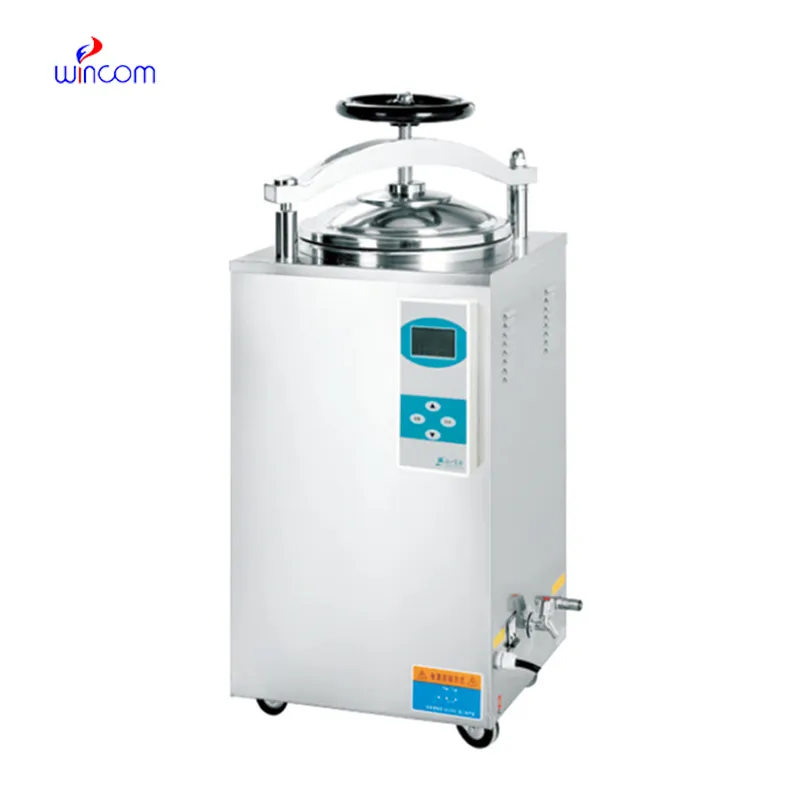
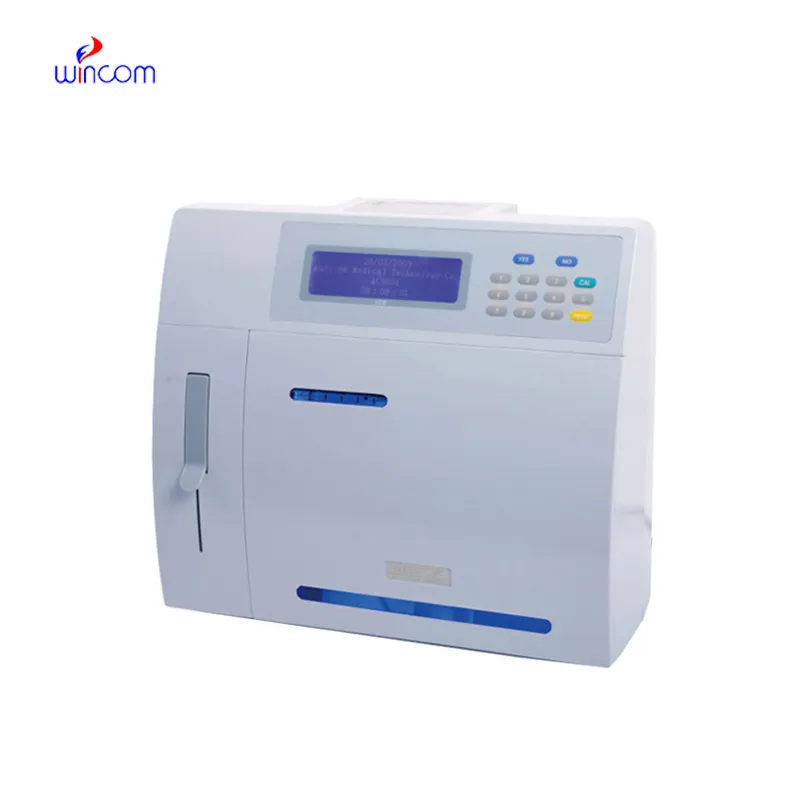
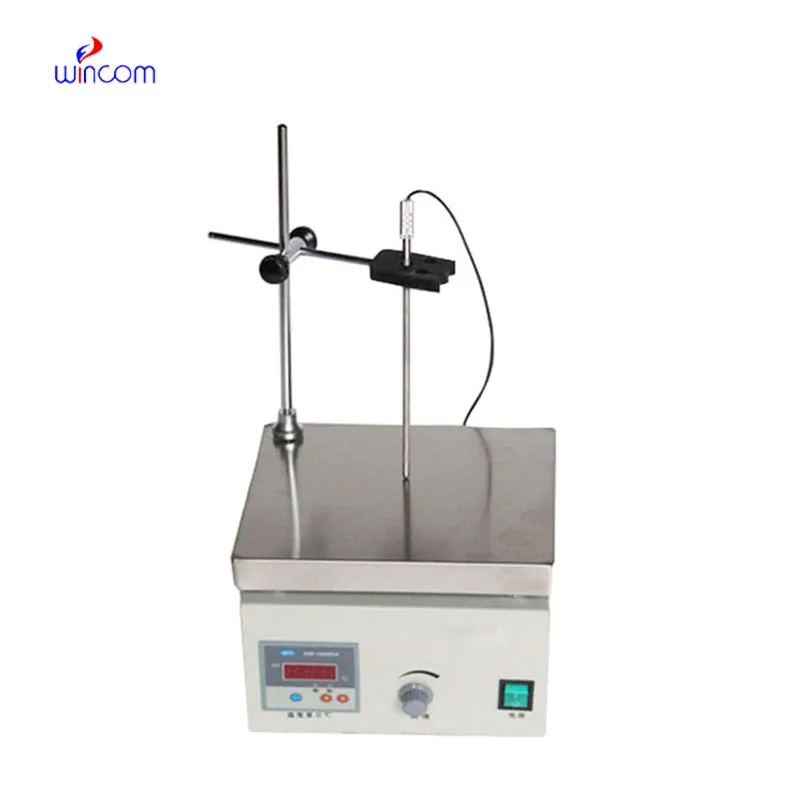
The use of electronic analytical balance in pharmaceutical laboratories is crucial for the accurate measurement of both active substances and excipients. Its extraordinary accuracy eliminates the possibility of formulation errors and makes regulatory compliance easier. electronic analytical balance are employed by laboratory staff for daily quality control, validation of batches, and research activities. Adding electronic analytical balance to the laboratory operations not only the consistency but also the reproducibility and the accuracy of the results for clinical trials and research applications are assured.

In research labs of the biomedical field, electronic analytical balance is used while standardizing the experimental samples. For the purpose of testing, h researchers have to measure the biological or chemical samples very accurately and in this way, they do not use more than the required amount of sample for analytical testing. This process keeps the studies that compare different methodologies consistent and at the same time it prevents different results that are due to the difference in the samples’ mass. By providing correct input values, electronic analytical balance makes it easier for the experimenters to repeat the experiments and to trust the data more in the hospitals’ research institutions.
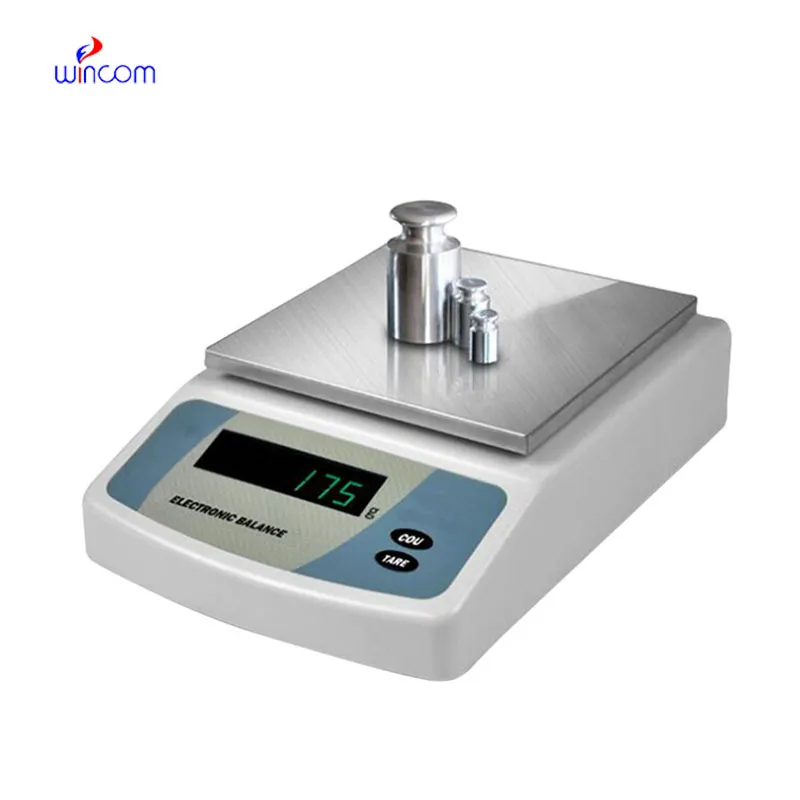
The era of electronic analytical balance in hospitals will go beyond the traditional settings and embrace multidisciplinary research environments. As the partnership of clinical, pharmaceutical, and biomedical teams becomes more robust, the analytical balances will cater to different experimental needs. By taking on various analytical actions, electronic analytical balance will still be a fundamental tool in contemporary hospital laboratory ecosystems.
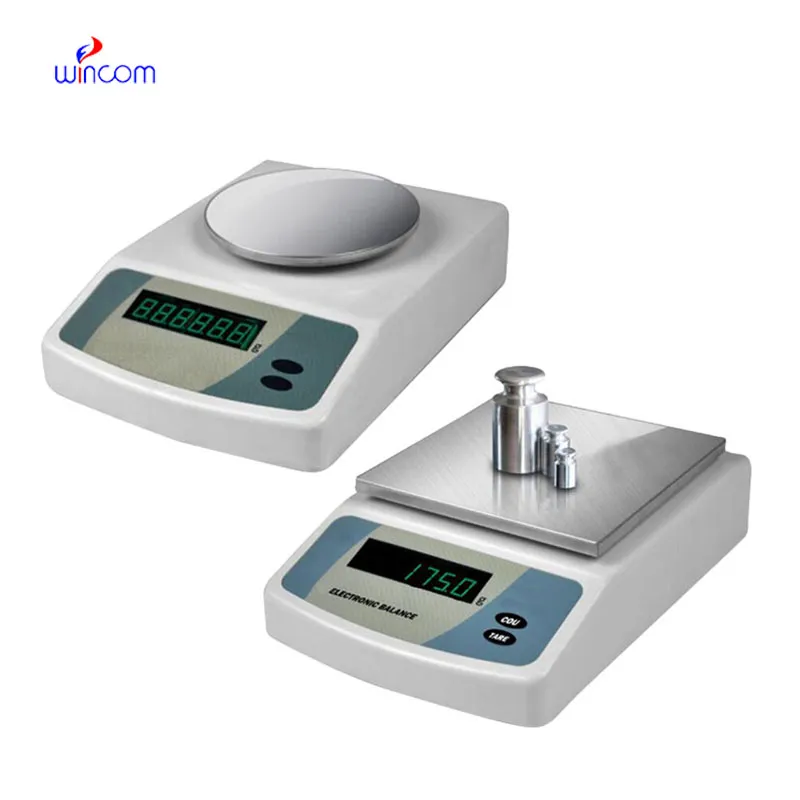
In medical laboratories, electronic analytical balance care consists of regular, preventive maintenance of the internal parts and connections, as well as the outer ones. Power supplies, and communication ports, for instance, are to be checked at intervals to have a steady operation. The balancing of the indicator's level is a must, and thus the leveling indicators should be controlled often. These maintenance activities help with the performance being the same and the unexpected measurement deviation being less in the hospital analytical workflows.
Medical research laboratories rely on electronic analytical balance to determine the weight of samples for their experimental procedures. No matter if weighing chemicals, biomolecules, or powders, accuracy is vital for repeatability. Scientific workers apply electronic analytical balance so that slight changes in sample weight do not affect the validity of the results. The application of this tool helps to enhance the reputation of the laboratory, the quality of the experiments, and the uniformity of the research conducted in hospitals or drug companies.
Q: What distinguishes an Analytical Balance from a precision balance? A: The analytical balances have a higher sensitivity and a finer readability for measuring masses of very small amounts. Q: Is an Analytical Balance appropriate for pharmaceutical applications? A: It is widely used for weighing active ingredient and formulation components. Q: Is it mandatory for an Analytical Balance to have a draft shield? A: Draft shields have the function to prevent air disturbances which might affect the weighing results. Q: What are the possible types of materials that can be weighed on an Analytical Balance? A: Weighing of powders, chemicals, and biological samples, as well as reference weights are the most common measurement. Q: Is it possible for several users to work with the same Analytical Balance? A: Yes, but the proper handling procedures and access controls must be strictly adhered to.
I’ve used several microscopes before, but this one stands out for its sturdy design and smooth magnification control.
The centrifuge operates quietly and efficiently. It’s compact but surprisingly powerful, making it perfect for daily lab use.
To protect the privacy of our buyers, only public service email domains like Gmail, Yahoo, and MSN will be displayed. Additionally, only a limited portion of the inquiry content will be shown.
We’re looking for a reliable centrifuge for clinical testing. Can you share the technical specific...
We’re currently sourcing an ultrasound scanner for hospital use. Please send product specification...
E-mail: [email protected]
Tel: +86-731-84176622
+86-731-84136655
Address: Rm.1507,Xinsancheng Plaza. No.58, Renmin Road(E),Changsha,Hunan,China


 EN
EN
 af
af
 es
es
 ar
ar
 tr
tr
 sw
sw
 pt
pt
 th
th
 ur
ur
 bn
bn
 ne
ne
 vi
vi
 km
km
 lo
lo
 de
de
 ru
ru
 fi
fi
 nl
nl
 fa
fa
 fr
fr
 ko
ko