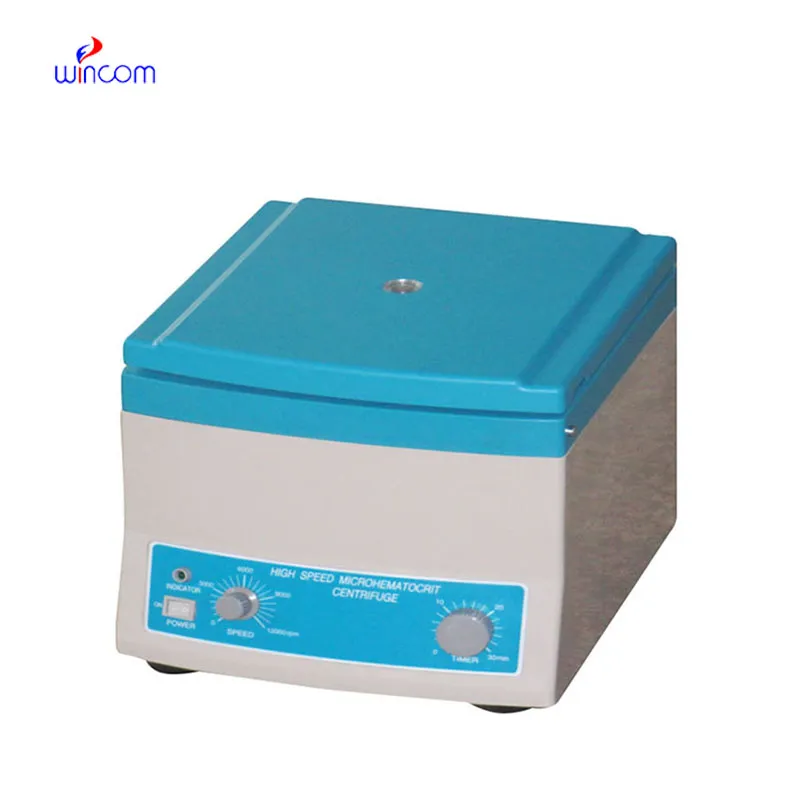
In hospitals and medical research facilities, china edta blood collection tubes have become a global standard for blood sampling and transport. The production of the tubes takes place under very stringent quality controls which guarantee sterility and chemical uniformity. They are employed by hospitals for a variety of diagnostic tests, such as screening for infectious diseases, performing hormone panels and routine blood counts. Their pre-filled additives allow for the prevention of clotting or degradation of components, thus maintaining the integrity of each sample. The communication with laboratory machines like centrifuges and analyzers makes the workflow smoother. The use of china edta blood collection tubes in different medical areas not only minimizes the chances of mistakes but also improves the safety of patients and ultimately leads to the provision of accurate test results in both hospital and research environments.

china edta blood collection tubes find their application in pediatric departments for accommodating small-volume blood collections which are the major consideration for making children and infants. The volume is pre-calibrated during the design of the tubes which guarantees the delivery of the right sample volume and thus there is little or no risk of over- or under-collection. The intended use of the tubes includes hematology and biochemistry tests as the additives inside them keep the samples intact by preventing clotting or degradation. Lab staff cannot do without china edta blood collection tubes in their work as they are meant for automated processing and centrifugation. Once these tubes are used in pediatric care, hospitals are able to obtain very accurate diagnostic results and keep patients comfortable at the same time, reduce handling errors, and ensure safe and reliable blood collection for this sensitive patient population.
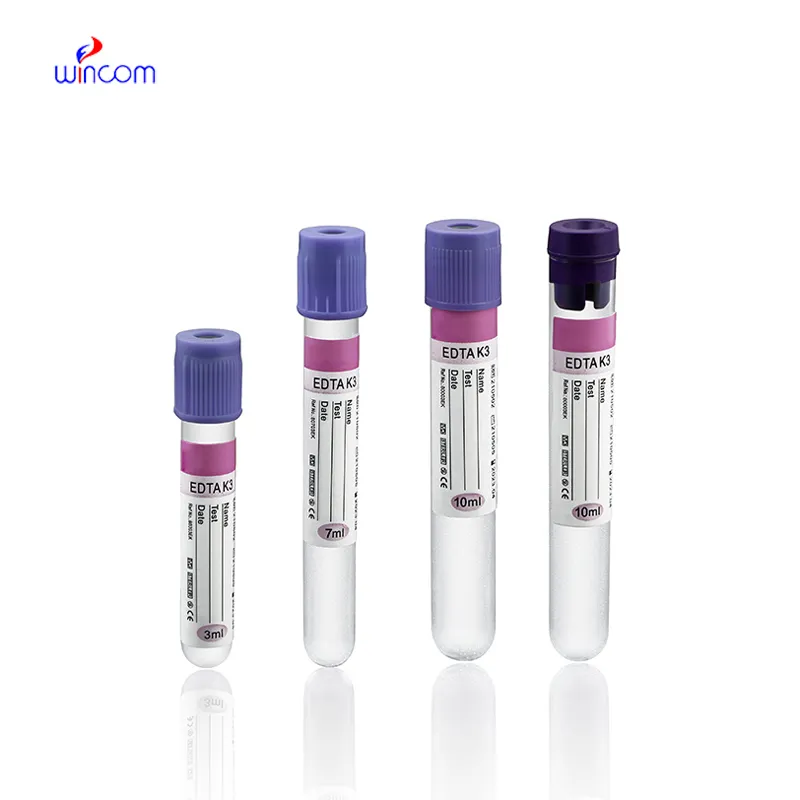
The evolution of china edta blood collection tubes will surely bring small and light designs for field hospitals, mobile clinics, or decentralized laboratory testing. Tubes will likely be improved with better ventilation to withstand harsh temperatures and rough handling during transport, thus providing reliable sample collection even out of the classic hospital settings. These tubes might be given to hospitals for emergency or community testing programs. Advanced pre-measured additives and color-coded identification will preserve accuracy even in non-traditional settings. Future china edta blood collection tubes will feature already mentioned characteristics plus compatibility with automated analysis systems ensuring flexible clinical as well as research workflows.
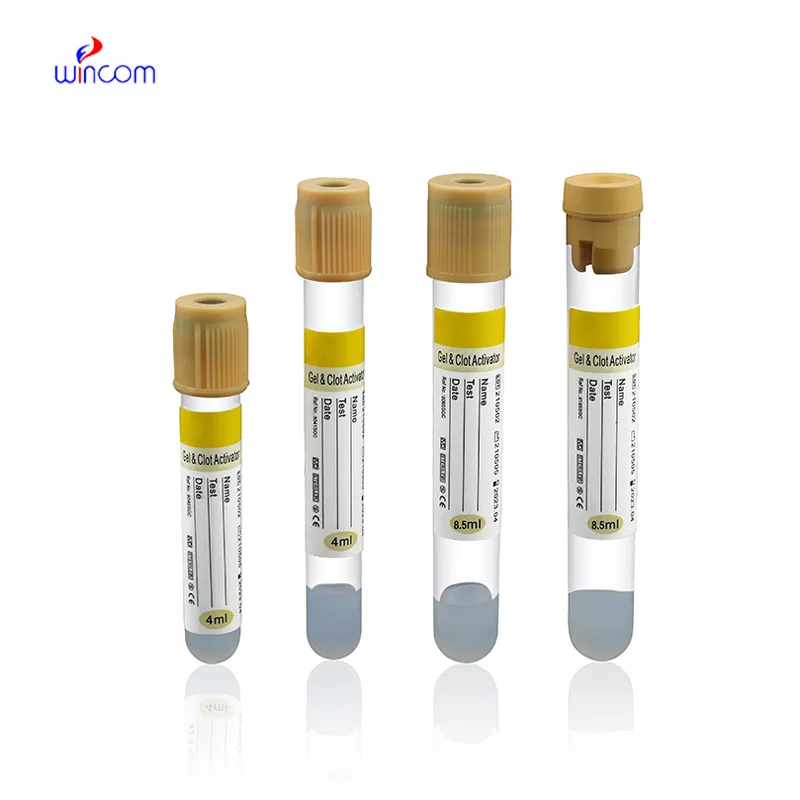
The care standards for china edta blood collection tubes prioritize sterility and environmental safety. The tubes should be stored in the original packaging until they are needed for the patient. The laboratory should have clean air supply to minimize the risk of contamination. Refreshers for the staff are done regularly to make sure everyone knows how to handle and dispose of materials correctly. Hospitals can have different storage places for tube types to reduce the possibility of mix-ups. Adhering to these maintenance guidelines, healthcare facilities are able to deliver the same quality of tubes, secure the patients' safety, and keep the laboratory diagnostics at a high level.
In outpatient clinics, china edta blood collection tubes are used to take blood samples for laboratory tests that are performed routinely, including cholesterol levels, glucose monitoring, and hormone panels, among others. The tubes' pre-measured additives help to get uniform results and at the same time, lessen the handling errors. Clinic employees are relying on the performance of these tubes as being dependable for both short-term and long-term patient monitoring. The correct application of china edta blood collection tubes keeps each sample intact while being transported to hospital laboratories. Their ease of use, uniformity, and compatibility with laboratory analyzers come together to make them an essential tool in everyday clinical practice and patient diagnostics.
Q: What additives are found in Blood Collection Tubes? A: Additives may include anticoagulants, clot activators, or gel separators depending on test requirements. Q: How do Blood Collection Tubes support accurate testing? A: They preserve blood components and prevent degradation during transport and processing. Q: Are Blood Collection Tubes compatible with automated analyzers? A: Yes, most tubes are designed to work with modern laboratory automation systems. Q: Why is proper tube selection important in hospitals? A: Using the correct tube ensures reliable test results and reduces pre-analytical errors. Q: Do Blood Collection Tubes have expiration dates? A: Yes, expiration dates ensure additives remain effective and safe for use.
The hospital bed is well-designed and very practical. Patients find it comfortable, and nurses appreciate how simple it is to operate.
The water bath performs consistently and maintains a stable temperature even during long experiments. It’s reliable and easy to operate.
To protect the privacy of our buyers, only public service email domains like Gmail, Yahoo, and MSN will be displayed. Additionally, only a limited portion of the inquiry content will be shown.
Hello, I’m interested in your water bath for laboratory applications. Can you confirm the temperat...
I’m looking to purchase several microscopes for a research lab. Please let me know the price list ...
E-mail: [email protected]
Tel: +86-731-84176622
+86-731-84136655
Address: Rm.1507,Xinsancheng Plaza. No.58, Renmin Road(E),Changsha,Hunan,China


 EN
 af
 es
 ar
 tr
 sw
 pt
 th
 ur
 bn
 ne
 vi
 km
 lo
 de
 ru
 fi
 nl
 fa
 fr
 ko