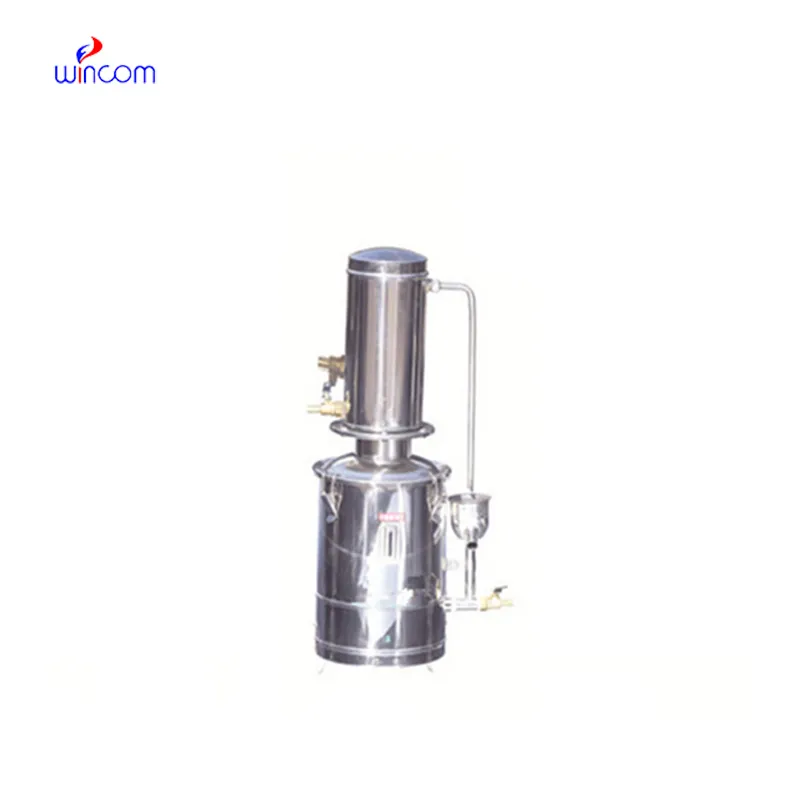
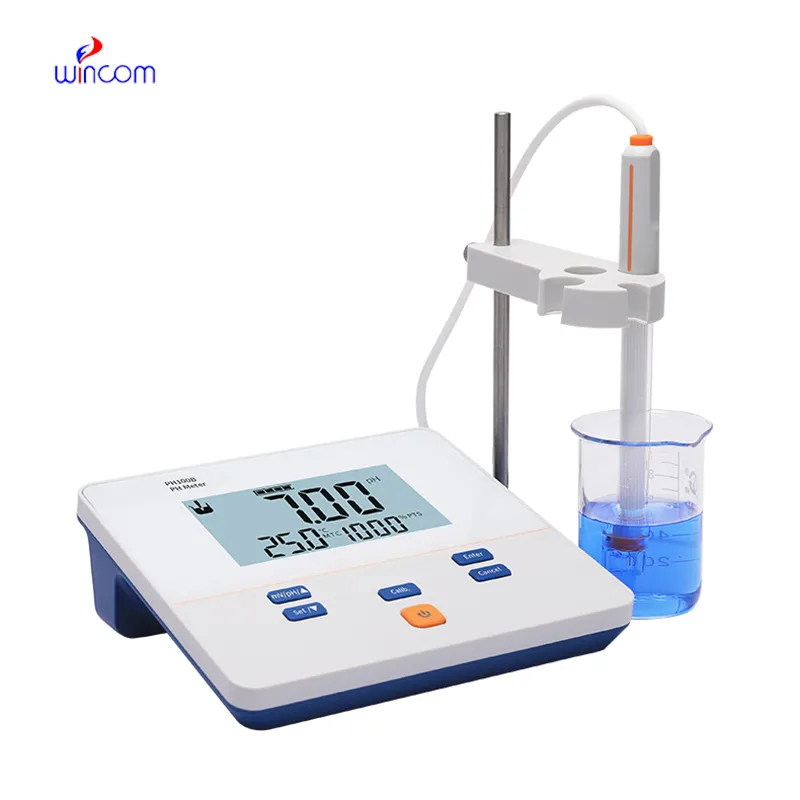
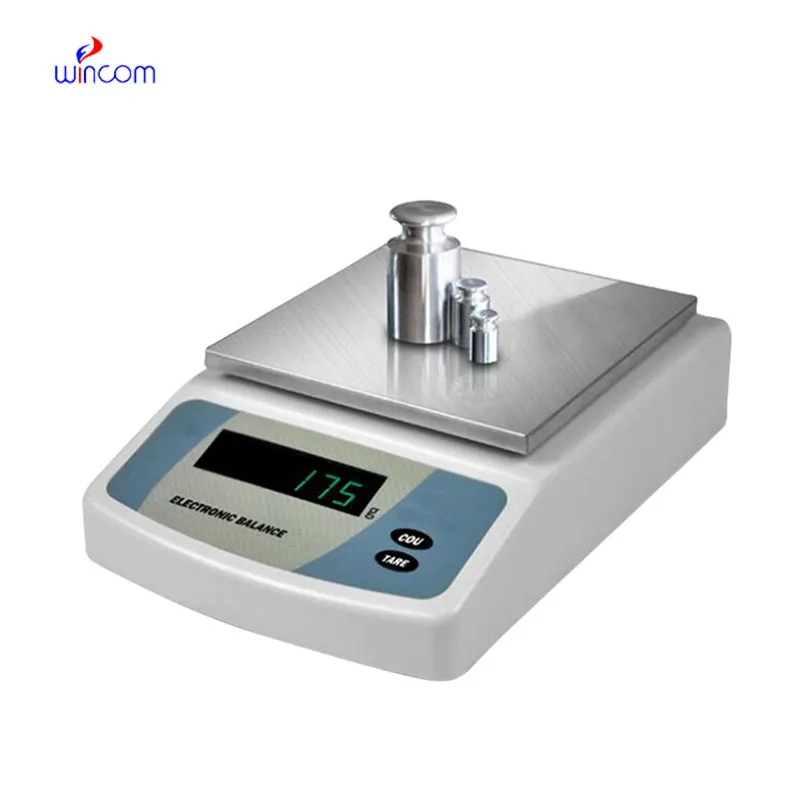
The laboratory water bath thermometer delivers precise temperature control and proper heating performance for laboratory use. Its construction is supported by high-quality materials that guarantee both durability and hygiene. The temperature of the water is constant through automated control and constant monitoring. The laboratory water bath thermometer also has a basic, plot digital display for accurate readings and quick adjustments. Overheating is prevented through safety features while sensitive samples are protected. Easy to operate and maintain, the laboratory water bath thermometer offers quality heating performance for reagent preparation, sample incubation, and analytical research purposes.

The laboratory water bath thermometer is a valuable resource of laboratories in biology, chemistry, and clinical research. The laboratory water bath thermometer is most commonly used for warming cultures, pre-warming reagents, softening substrates, and adjusting sample temperatures. In microbiology, the laboratory water bath thermometer is applied to grow bacterial cultures at controlled temperatures. In chemistry laboratory facilities, it is applied to reaction kinetics and digestion reactions of samples. Pharmaceutical facilities utilize the laboratory water bath thermometer for product testing and stability tests. Its precise temperature control yields consistent results, supporting research and quality control procedures.
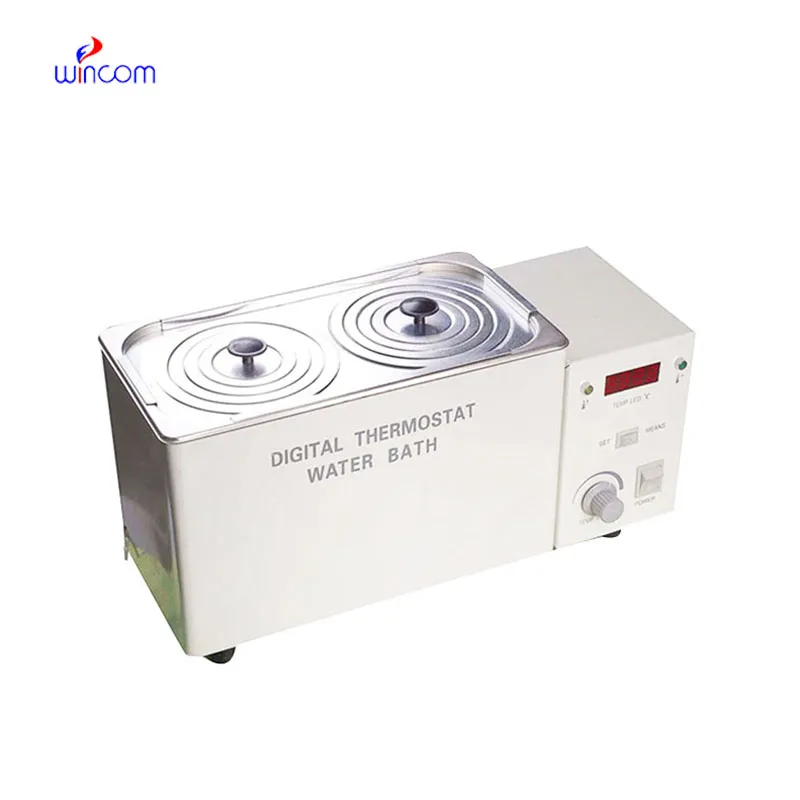
In the near future, the laboratory water bath thermometer will consist of intelligent systems capable of automating laboratory processes. Predictive maintenance features will alert users before failure, conserving time. Cloud connectivity will ensure seamless data sharing between research labs, promoting collaboration and quality control. The laboratory water bath thermometer will also consist of adaptive temperature algorithms that respond dynamically to sample conditions. With continued focus on sustainability and automation, it will redefine laboratory heating equipment for a digital precision age.
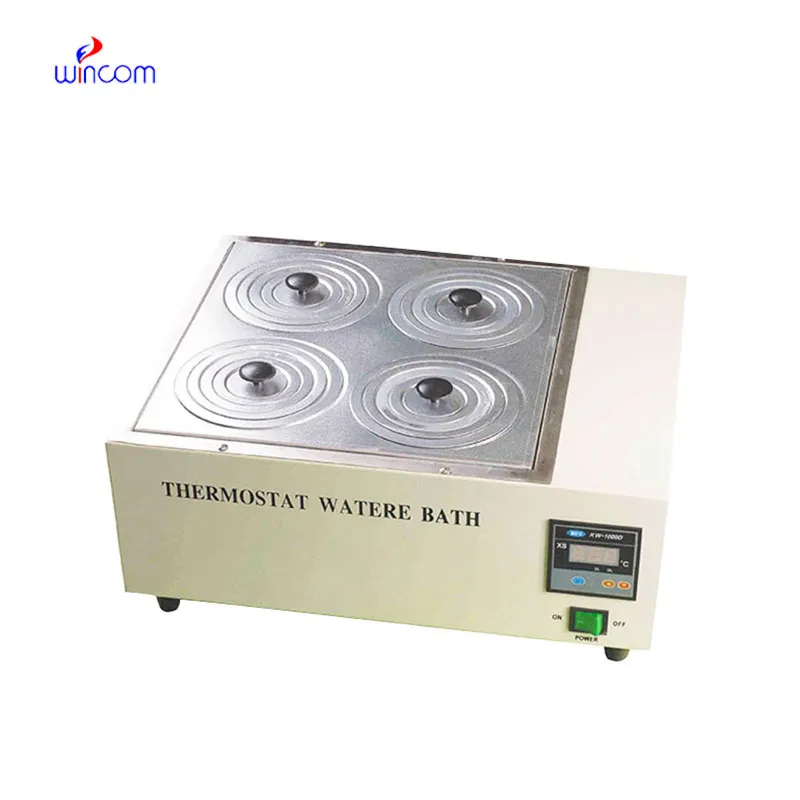
To ensure reliability and accuracy, the laboratory water bath thermometer should be maintained regularly. Water in the chamber should be replaced to prevent scaling and bacterial buildup. Clean the tank with a lint-free wipe after each use and have the tank remain open so that it dries out. Use non-abrasive cleaning agents that will not damage the surface. Monitor electrical connections and temperature controls occasionally for safe operation. Properly maintained laboratory water bath thermometer continues to give reproducible results for sundry laboratory applications.
A laboratory water bath thermometer is an easy way to have constant temperatures for a number of laboratory applications. It possesses a heating element and thermostat to maintain the water at a level chosen by the user. Scientists rely on the laboratory water bath thermometer for incubation, chemical reaction, and sample heating operations that require accurate temperature control. The gentle circulation of the water prevents hot spots and cold spots from occurring, providing uniform heat transfer. Constructed with a strong outer casing and safety mechanisms, the laboratory water bath thermometer is a workhorse for routine and specialized lab procedures.
Q: What temperature range can a laboratory water bath typically achieve? A: Most laboratory water baths operate between ambient temperature and approximately 100°C, allowing precise control for a variety of experiments. Q: How does a water bath ensure even heating across samples? A: The circulation of water, either by convection or a built-in stirrer, ensures uniform temperature distribution throughout the chamber. Q: Why should a water bath be calibrated regularly? A: Regular calibration ensures temperature accuracy, preventing errors that could affect the results of sensitive laboratory processes. Q: What materials are commonly used in constructing a water bath? A: High-quality stainless steel is typically used for the inner chamber to resist corrosion and ensure durability under continuous heating. Q: How can overheating be prevented when using a water bath? A: Many modern units feature automatic temperature cutoffs and alarms that activate if the set temperature exceeds safe limits.
This ultrasound scanner has truly improved our workflow. The image resolution and portability make it a great addition to our clinic.
The hospital bed is well-designed and very practical. Patients find it comfortable, and nurses appreciate how simple it is to operate.
To protect the privacy of our buyers, only public service email domains like Gmail, Yahoo, and MSN will be displayed. Additionally, only a limited portion of the inquiry content will be shown.
We’re currently sourcing an ultrasound scanner for hospital use. Please send product specification...
Hello, I’m interested in your water bath for laboratory applications. Can you confirm the temperat...
E-mail: [email protected]
Tel: +86-731-84176622
+86-731-84136655
Address: Rm.1507,Xinsancheng Plaza. No.58, Renmin Road(E),Changsha,Hunan,China


 EN
 af
 es
 ar
 tr
 sw
 pt
 th
 ur
 bn
 ne
 vi
 km
 lo
 de
 ru
 fi
 nl
 fa
 fr
 ko