In the operating rooms and laboratory hospitals, pass machine anesthesia does an all-in-one job of anesthesia management with the help of gas delivery, ventilation, and monitoring systems. It gives a constant eye on the respiratory function, oxygen levels, and airway pressures. The machine guarantees the patient's sedation stability during difficult operations. With safety alarms, vaporizers, and gas flow controls that can be adjusted, pass machine anesthesia lets the anesthesiologists do real-time modifications, thereby assuring accuracy and reliability. Its multifunctionality and exactness offer it to be used for both the daily surgical operations and the labs that needed special conditions for anesthesia to be studied and, thus, controlled.

In medical research done in the laboratory, pass machine anesthesia is utilized for keeping anesthesia under control during experimental procedures. The researchers apply the instrument for the purpose of keeping steady respiratory conditions and thereby studying physiological reactions. The anesthetic's delivery exactness is determined to be the basis for the experiments' reproducibility and safety. The capability of the device to monitor helps to observe the respiratory and oxygen variables during the entire course of the experiment. This specific use exemplifies the importance of pass machine anesthesia in assisting clinical trials and laboratory studies in the realm of medicine.
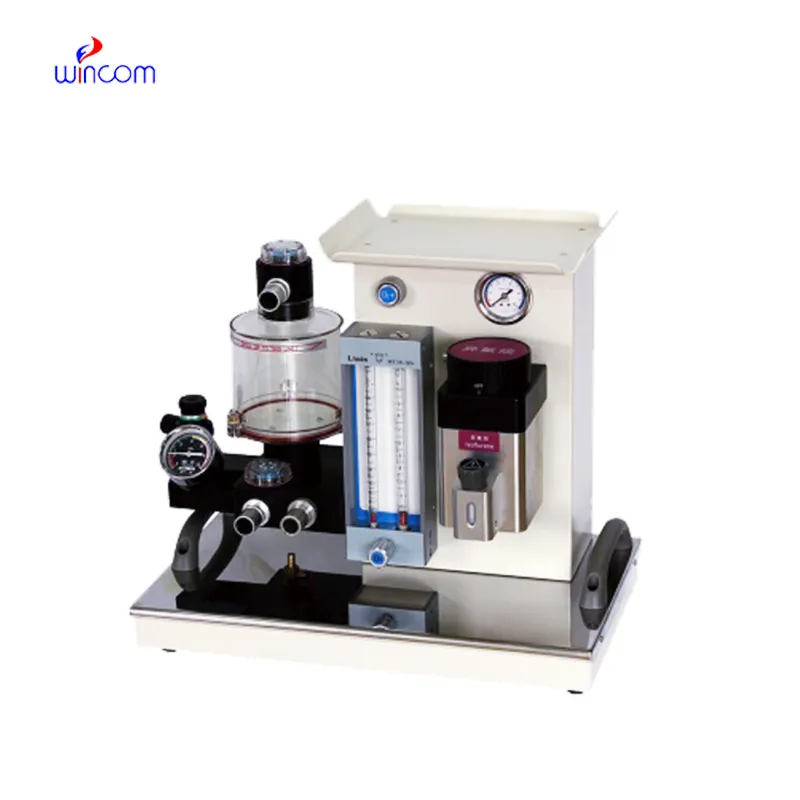
The pass machine anesthesia future is projected to concentrate on a better digital integration in hospital systems. The advanced connectivity will let anesthesia data to be automatically merged with electronic medical records and centralized monitoring systems. This will encourage sharing of data in real-time across operating rooms, ICUs, and laboratories. Better software interfaces might enable anesthesiologists to interpret respiration trends in a more effective manner. The smarter hospitals will lead to the pass machine anesthesia being a more connected device, thus enabling better patient care and the shared clinical decisions among departments.
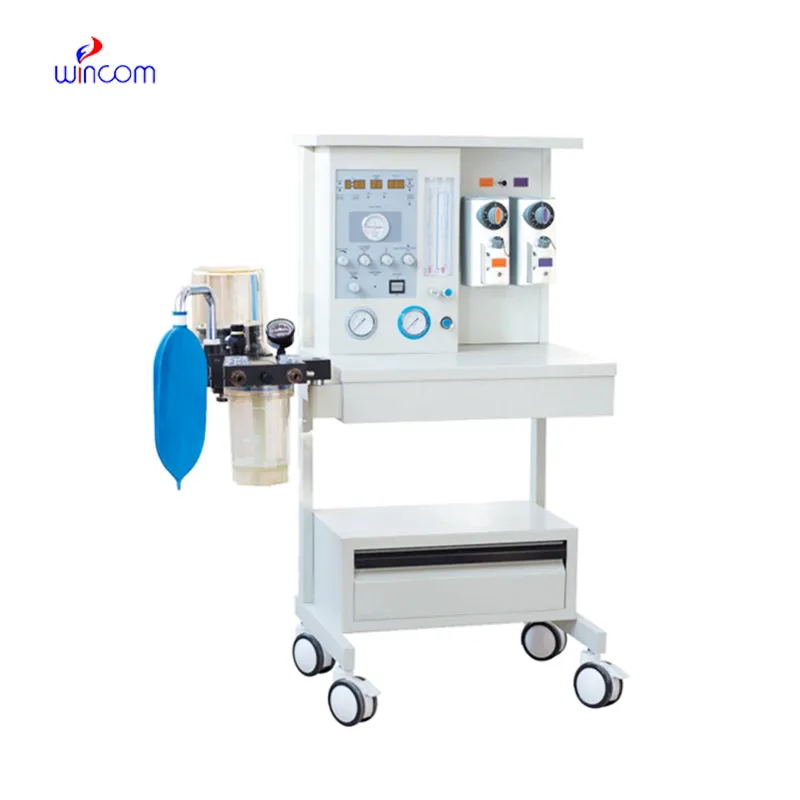
It is vital to have a long-term maintenance plan for controlling pass machine anesthesia in the various hospital departments. The schedules of preventive maintenance allow for predicting replacement of the components even before their performance drops. The alliance between the clinicians and the technicians guarantees that service is provided at the right time. This systematic method enables uninterrupted use of anesthesia machines. Through the preventive maintenance approach, the hospitals are always ready to operate and, at the same time, they are taking care of their investment in the medical devices that are most critical.
In pass machine anesthesia, the basic principles and methods of anesthesia are demonstrated in clinical teaching environments. Medical students and interns get to see the functioning of gas flow systems, vaporizers, and patient monitoring. This use of teaching makes it easier for the learners to grasp ventilation, oxygenation, and anesthetic delivery in actual hospital surroundings. By combining watching with hands-on training, pass machine anesthesia makes the learning outcomes better in anesthesia education programs.
Q: What gases does the Anesthesia Machine make use of? A: The regular gases are oxygen, nitrous oxide, and volatile anesthetic agents. Q: Is the Anesthesia Machine suitable for long surgeries? A: Yes, it was designed to maintain stable anesthesia throughout long operations. Q: Under machine control how does the anesthesia concentration occur? A: The vaporizers dispense a precisely-measured amount of anesthetic gas to the patient. Q: Could the machine be used for pediatric patients? A: Yes, but only if the settings are modified by the experienced medical personnel. Q: Is there a built-in alarm system for the machine? A: Yes, alarms are present to alert the staff to changes in pressure, gas flow, or oxygen levels.
This ultrasound scanner has truly improved our workflow. The image resolution and portability make it a great addition to our clinic.
The hospital bed is well-designed and very practical. Patients find it comfortable, and nurses appreciate how simple it is to operate.
To protect the privacy of our buyers, only public service email domains like Gmail, Yahoo, and MSN will be displayed. Additionally, only a limited portion of the inquiry content will be shown.
We are planning to upgrade our imaging department and would like more information on your mri machin...
We’re looking for a reliable centrifuge for clinical testing. Can you share the technical specific...
E-mail: [email protected]
Tel: +86-731-84176622
+86-731-84136655
Address: Rm.1507,Xinsancheng Plaza. No.58, Renmin Road(E),Changsha,Hunan,China


 EN
 af
 es
 ar
 tr
 sw
 pt
 th
 ur
 bn
 ne
 vi
 km
 lo
 de
 ru
 fi
 nl
 fa
 fr
 ko