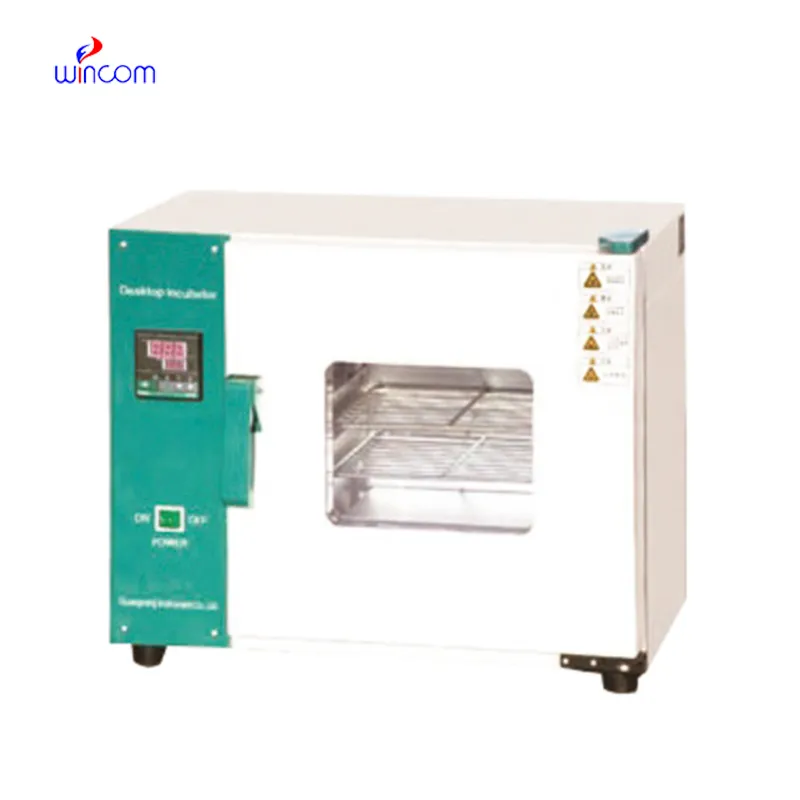
The water bath in laboratory has cutting-edge temperature control and ergonomic design for consistent laboratory performance. It provides uniform heat distribution to prevent overheating or warping of the sample. The stainless-steel chamber of the water bath in laboratory is durable and corrosion resistant. Its digital interface provides precise settings, with inbuilt safety features protecting against hot temperatures. The compact design does not sacrifice capacity. With low maintenance requirements and smooth operation, the water bath in laboratory proves an efficient instrument for scholarly, medical, and research organizations.

The water bath in laboratory is a valuable resource of laboratories in biology, chemistry, and clinical research. The water bath in laboratory is most commonly used for warming cultures, pre-warming reagents, softening substrates, and adjusting sample temperatures. In microbiology, the water bath in laboratory is applied to grow bacterial cultures at controlled temperatures. In chemistry laboratory facilities, it is applied to reaction kinetics and digestion reactions of samples. Pharmaceutical facilities utilize the water bath in laboratory for product testing and stability tests. Its precise temperature control yields consistent results, supporting research and quality control procedures.
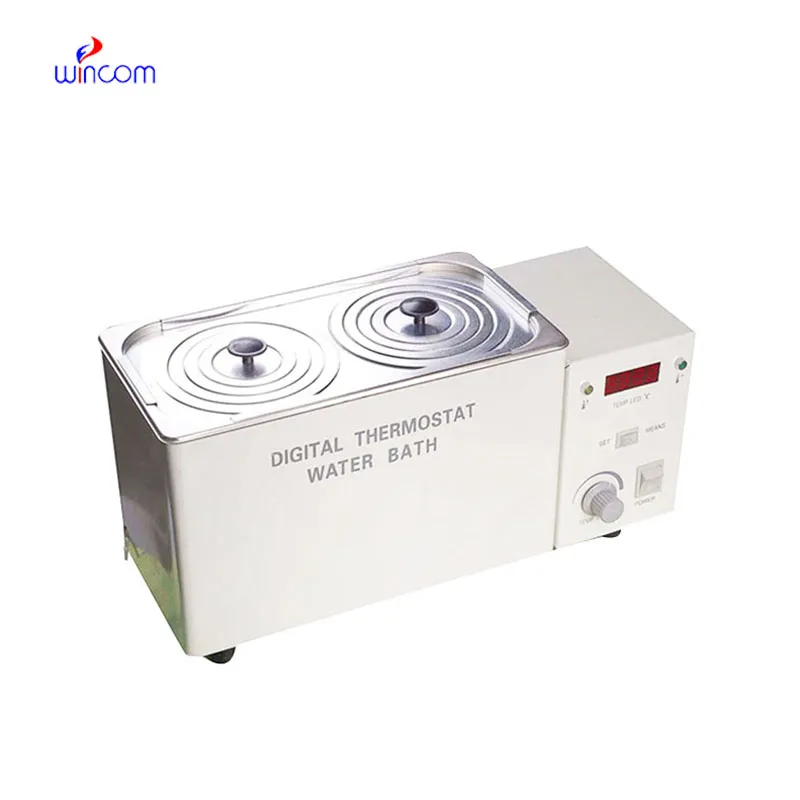
The future for the water bath in laboratory is more precision and more automation. Future models will incorporate improved digital control systems through the advancement in sensor technology, providing even more precise temperature performance. The water bath in laboratory will be integrated into smart laboratory networks to permit remote monitoring and data logging through cloud-based systems. The water bath in laboratory will also include eco-friendly materials and energy-saving heating systems. Though labs themselves are rapidly becoming more advanced, the future generation of the water bath in laboratory will emphasize flexibility, end-user safety, and integration transparency with current research pipelines.
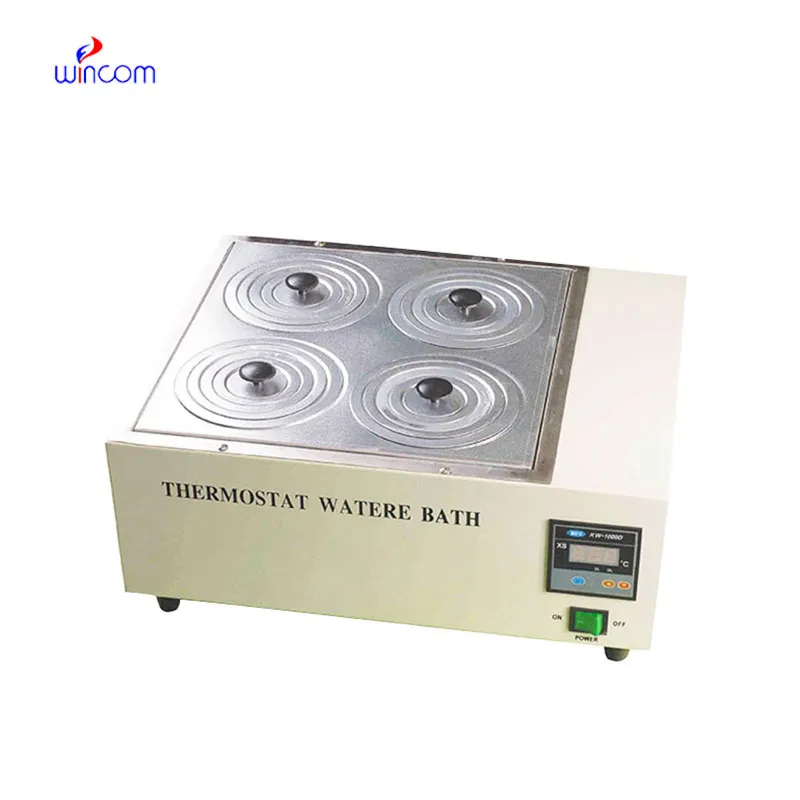
Regular maintenance keeps the water bath in laboratory in good operating condition. Drain the tank every now and then and clean the interior with gentle soap and warm water. Clean well to prevent residue. Never use rough chemicals which will rust inner linings. Inspect check controls and the power cord for wear and tear, and maintain ventilation openings unobstructed. Calibration checks provide continuous temperature accuracy. Throughout normal maintenance, the water bath in laboratory will provide precise and reliable heat for lab testing and research.
A water bath in laboratory is an important laboratory instrument used to give precise temperatures for samples when incubation, heating, or chemical reactions are ongoing. It provides uniform heat distribution through water circulation, ensuring uniform results for every sample. The water bath in laboratory is typically used in biology, chemistry, and medical labs where temperature regulation is important. Digital controls that are adjustable make it easy for users to track and regulate temperature for various experimental needs. Constructed from stainless steel chambers of high quality, the water bath in laboratory is safe, reliable, and durable in the long term for research and testing purposes.
Q: What temperature range can a laboratory water bath typically achieve? A: Most laboratory water baths operate between ambient temperature and approximately 100°C, allowing precise control for a variety of experiments. Q: How does a water bath ensure even heating across samples? A: The circulation of water, either by convection or a built-in stirrer, ensures uniform temperature distribution throughout the chamber. Q: Why should a water bath be calibrated regularly? A: Regular calibration ensures temperature accuracy, preventing errors that could affect the results of sensitive laboratory processes. Q: What materials are commonly used in constructing a water bath? A: High-quality stainless steel is typically used for the inner chamber to resist corrosion and ensure durability under continuous heating. Q: How can overheating be prevented when using a water bath? A: Many modern units feature automatic temperature cutoffs and alarms that activate if the set temperature exceeds safe limits.
This ultrasound scanner has truly improved our workflow. The image resolution and portability make it a great addition to our clinic.
We’ve used this centrifuge for several months now, and it has performed consistently well. The speed control and balance are excellent.
To protect the privacy of our buyers, only public service email domains like Gmail, Yahoo, and MSN will be displayed. Additionally, only a limited portion of the inquiry content will be shown.
We’re looking for a reliable centrifuge for clinical testing. Can you share the technical specific...
We’re interested in your delivery bed for our maternity department. Please send detailed specifica...
E-mail: [email protected]
Tel: +86-731-84176622
+86-731-84136655
Address: Rm.1507,Xinsancheng Plaza. No.58, Renmin Road(E),Changsha,Hunan,China


 EN
 af
 es
 ar
 tr
 sw
 pt
 th
 ur
 bn
 ne
 vi
 km
 lo
 de
 ru
 fi
 nl
 fa
 fr
 ko